Landlords manage two things at once: a building that ages every day, and people who notice problems the minute comfort drops. Maintenance is the bridge between those realities. Done well, it prevents expensive surprises, reduces tenant turnover, and keeps your property’s reputation intact.
The quick take you can act on this week
Preventive maintenance beats emergency maintenance almost every time—especially with water, HVAC, and safety systems. Your goal isn’t perfection; it’s consistency: a repeatable cadence of inspections, fast triage, clean documentation, and follow-through. When tenants see you respond predictably, they report issues earlier (before they get big), and your “problem properties” calm down.
The problem → solution → result routine
Problem: Small issues (tiny leaks, loose handrails, dirty filters) compound into major repairs and angry tenants.
Solution: Run a lightweight schedule, standardize your inspections, and keep a few critical parts on hand.
Result: Fewer after-hours calls, longer-lasting equipment, and a property that stays rentable without drama.
What to inspect and how often (use this as your baseline)
Here’s a starter matrix you can tailor by property type, climate, and age.
| Area | What you’re checking | What “good” looks like |
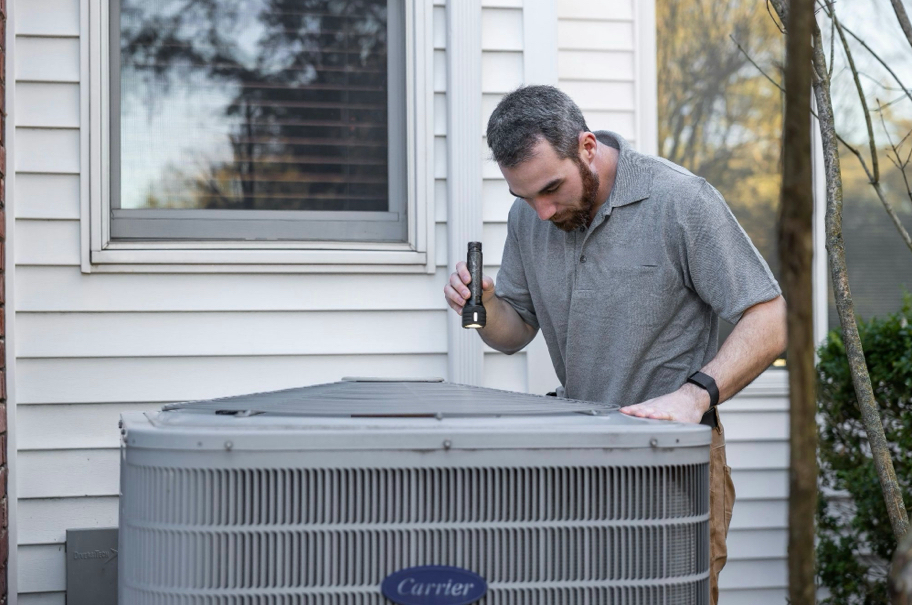
| HVAC | Filters, drains, odd noises, thermostat accuracy | Even temps, no musty smell, no water around air handler |
| Plumbing | Under-sink traps, shutoff valves, toilets, water heater pan | Dry cabinets, stable water pressure, no slow drains |
| Exterior | Gutters, grading, siding gaps, pests entry points | Water drains away from foundation; no obvious openings |
| Safety | Smoke/CO detectors, GFCI/AFCI (where applicable), handrails | Devices test properly; outlets trip/reset as intended |
| Appliances | Hoses, venting, seals, unusual vibration | No leaks; vents clear; doors seal; no burning smell |
The plumbing corner that saves you the most money
Water damage is one of the fastest ways to torch a year’s profit, and it’s usually preventable. Routine plumbing checkups—tightening supply lines, testing shutoff valves, flushing a water heater (when appropriate), and catching slow drains early—help fixtures and pipes last longer and keep tenants from living with daily annoyances like weak pressure or recurring clogs. It also cuts down on emergency calls because you’re finding problems on your schedule, not at 11:30 p.m. Stocking smart basics (washers, supply lines, plumber’s tape, a good auger, and replacement valves) is part of that: a small inventory of quality tools and parts—like what you’d source from a reputable plumbing supply—lets you resolve issues quickly and keep the property reliably functional year-round.
Standards that quietly shape inspections (even if you’re not “Section 8”)
Many landlords borrow the spirit of HUD’s Housing Quality Standards: keep units safe, sanitary, and in good repair, with working utilities and no obvious hazards. If you want a practical reference for what inspectors often look for, HUD’s inspection checklist is a useful reality-check.
A solid resource worth bookmarking
If you own or manage older housing (especially built before 1978), you should be aware of lead-safe requirements that can apply during renovation, repair, or painting work. The Environmental Protection Agency maintains a central page of Renovation, Repair and Painting (RRP) program resources, including guidance that’s relevant to property managers and maintenance work planning. Even if you hire contractors, knowing the basics helps you ask better questions, schedule work responsibly, and protect tenants (and yourself).
FAQ
What’s the single highest-ROI maintenance task?
Preventive inspections and fast fixes for water issues (leaks, slow drains, failing seals) usually win. Water problems damage finishes, attract pests, and trigger tenant dissatisfaction quickly.
How quickly should I respond to non-emergency maintenance?
A reliable target is: acknowledge within 24 hours, schedule within a few days if parts are needed, and communicate timelines clearly. Tenants tolerate delays far more than silence.
Should I keep spare parts on hand?
Yes—focus on common failure points: smoke/CO detector batteries (or units), faucet aerators, toilet fill valves/flappers, supply lines, HVAC filters, and a couple of universal shutoff valves.
How do I reduce “everything is urgent” tenant requests?
Train the process: require written requests (portal/email), categorize by severity, and respond consistently. Predictability reduces escalation.
Conclusion
The best maintenance plan is the one you’ll actually run—quarter after quarter—without relying on memory or luck. Build a repeatable sweep, keep a small stash of high-impact supplies, and document what you see. Tenants feel cared for when you’re consistent, and your property holds value when small issues never get the chance to grow teeth.